Examine This Report on Ac Air Conditioner Repair
Air Conditioning Repair: Professional Cooling System Restoration Guarantees Your Home Stays Comfortable Throughout The Year
Types of Air Conditioning Systems
When dealing with a/c repair work, understanding the type of air conditioning system you're dealing with can conserve time, cash, and stress. Ever wondered why some units cool a room much faster than others? Or why specific systems seem to break down more often? Let's peel back the layers.
Central Air
Our Fix Air Conditioner PDFs
Think of a cool breeze flowing through an entire house, whispering comfort into every corner. Central air conditioning systems do precisely that. They utilize a network of ducts to distribute cooled air, counting on a compressor and condenser outside, matched with an evaporator coil inside. When this complex beast fails, identifying the problem can be website like discovering a needle in a haystack.
Split Systems
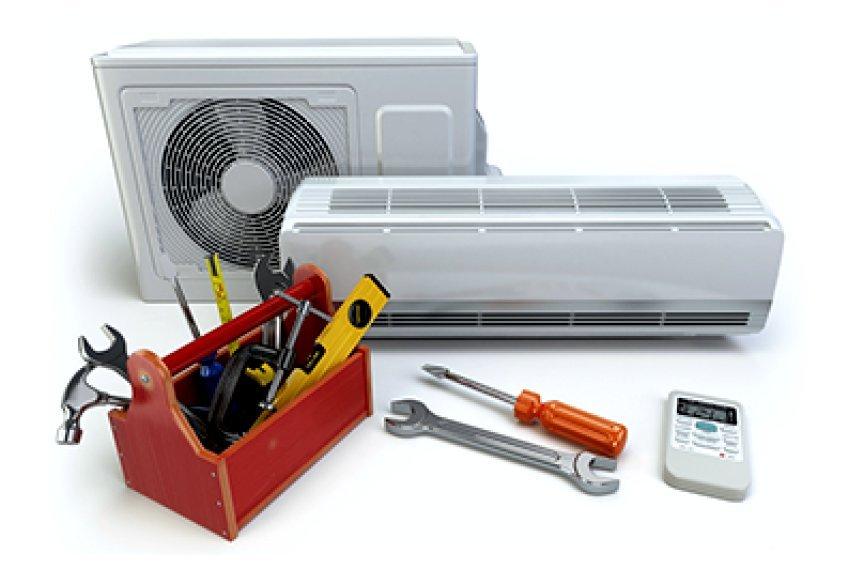
Split systems are a popular option for many homes-- part indoor unit, part outdoor compressor. They offer versatility and effectiveness, but their dual nature indicates repair can include either component. Have you ever heard an unusual noise outside your home just to find the indoor unit isn't cooling? That's a timeless indication of a split system problem.
Ac Fixing for Dummies
Window Units
These compact warriors battle summertime heat by fitting snugly into a window frame. They integrate all parts into a single box. Their simplicity often implies fewer repair work headaches, but ignoring filters or permitting debris accumulation can lead to lessened performance or breakdowns.
Ductless Mini-Splits
The Greatest Guide To Air Conditioning Repair
Ductless systems bypass ductwork entirely, making them ideal for homes without existing ventilation. They're quiet, efficient, and surprisingly resilient. Yet, when repairs are needed, professionals need to be proficient at dealing with refrigerant lines and electrical connections-- no small accomplishment.
Quick Reference Table
| Type | Key Features | Typical Repair Issues |
|---|---|---|
| Central air conditioning | Ductwork, whole-house cooling | Duct leaks, compressor failure |
| Split System | Indoor & & outside systems | Refrigerant leaks, fan motor concerns |
| Window Unit | All-in-one, easy installation | Unclean filters, electrical faults |
| Ductless Mini-Split | No ducts, zoned cooling | Line leaks, sensing unit malfunctions |
The 10-Second Trick For Ac Air Conditioner Repair
Unwinding the Many Regular A/c Predicaments
Have you ever questioned why your air conditioning unit suddenly stops cooling during a sweltering afternoon? One common offender is a filthy or clogged up air filter. This sneaky bad guy restricts air flow, requiring your system to work overtime, which not only lowers efficiency however can also cause premature breakdowns. Imagine attempting to breathe through a scarf taken in dust-- it's exhausting!
Another frequent hiccup is refrigerant leaks. These undetectable leakages don't simply decrease cooling power but can also damage the compressor, the heart of your air conditioner system. How typically do you inspect for unusual hissing sounds or ice development on the coils? Capturing these signs early can conserve you from expensive repair work down the line.
Beyond the Fundamentals: Lesser-Known Issues
Not known Facts About Ac Repair
Sometimes, the thermostat itself is the mischief-maker. Miscalibrated or faulty thermostats send combined signals, triggering the air conditioning to cycle erratically. Ever experienced your AC switching on and off in rapid succession? That's called short biking, a sneaky performance drainer that can wear parts quicker than you 'd anticipate.
Electrical problems, such as used wiring or a malfunctioning capacitor, may lurk beneath the surface. Fix Air Conditioner. These typically manifest as air conditioner systems failing to begin or all of a sudden closing down. A professional eye understands to test these components with precision tools, something a casual look won't expose
Specialist Tips for Diagnosing Common A/c Problems
Some Known Details About Ac Air Conditioner Repair
- Inspect and replace air filters routinely-- every 1 to 3 months depending upon use and environment.
- Listen for unusual sounds like rattling or buzzing that might signal loose parts or electrical faults.
- Inspect the outside system for particles or obstructions that impede airflow and cause overheating.
- Look for frost buildup on evaporator coils, a hint towards refrigerant problems or airflow restrictions.
- Evaluate the thermostat settings and recalibrate if the temperature level readings feel off.
Quick Reference Table: Symptoms & & Probable Causes
| Symptom | Probable Cause | Professional Tip |
|---|---|---|
| Warm air blowing | Low refrigerant or unclean coils | Tidy coils and look for leaks right away |
| Short cycling | Thermostat concerns or oversized system | Adjust thermostat settings and speak with sizing standards |
| System will not begin | Electrical faults or capacitor failure | Test electrical wiring and replace capacitors as required |
| Water leak | Clogged drain line or frozen evaporator | Clear drain lines and inspect for coil icing |
DIY Air Conditioner Upkeep Tips
Unknown Facts About Air Conditioning Repair
Ever observed your air conditioning unit sputtering like an old engine on a hot summer season day? Ignoring subtle signs typically means more than just a sweaty afternoon-- it's a start to unexpected air conditioning repair costs. What if you could catch those whispers before they turn into wails? Regular do it yourself upkeep can be your first line of defense.
Simple Actions to Keep Your Air Conditioning Running Efficiently
The 10-Minute Rule for Ac Fixing
- Tidy or Replace Filters: A stopped up filter resembles trying to breathe through a headscarf. Every 1-3 months, examine and switch out your filters. It improves air flow and efficiency, avoiding compressor pressure.
- Inspect the Condenser Coils: Dust and particles serve as unnoticeable blankets smothering your system's cooling power. Gently brush or vacuum the coils, but prevent harsh chemicals that may deteriorate the metal.
- Examine the Drain Line: When was the last time you glanced at your drain pan? A clogged up drain can trigger water leaks and foster mold growth. Flushing it with a vinegar option monthly keeps the circulation clear.
- Seal and Insulate: Are your ductworks whispering leakages? Sealing spaces with mastic or foil tape improves performance and minimize irregular cooling.
Pro Tips Beyond the Fundamentals
- Step your unit's voltage to capture subtle electrical wear before it stimulates big issues.
- Listen for unusual hums or rattles-- these acoustic breadcrumbs typically signify loose parts or failing motors.
- Keep outside units shaded however ensure at least 2 feet of clearance around them for optimal air flow.
Ask yourself: Are you hearing your air conditioner's quiet SOS or simply waiting for it to shriek? Requiring time for DIY air conditioning maintenance transforms reactive repair work into proactive care, saving sweat, stress, and yes, cash.
The Only Guide for Ac Repair Near Me
Why Expertise in Air Conditioning Repair Work Matters
Envision this: your air conditioner system sputters and groans throughout a scorching afternoon, leaving you sweltering indoors. Would you rely on a newbie fumbling with delicate components, or would you seek the reassurance of a expert a/c technician!.?.!? The complexities of contemporary a/c systems demand precision and experience. A small mistake can intensify a small breakdown into a pricey disaster.
The Greatest Guide To Air Conditioning Repair
Hidden Intricacies Behind the Cool Breeze
Many undervalue the layers concealed beneath the sleek outside of an a/c unit - Air conditioning Repair Near Me. From refrigerant leakages that silently drain effectiveness to malfunctioning thermostats that misread temperature levels, these problems need more than a basic toolkit. Experts have a keen eye for identifying issues that average homeowners neglect
Necessary Tips for Choosing the Right Technician
Excitement About Air Conditioning Repair Near Me
- Accreditation and Training: Verify qualifications; a technician trained in the current heating and cooling innovations is important.
- Experience with Specific Systems: Not all AC units are produced equivalent; discover someone familiar with your model's quirks.
- Diagnostic Technique: Skilled technicians utilize advanced tools-- like electronic leak detectors and thermal imaging-- to pinpoint covert faults.
What to Anticipate from a Pro's Diagnostic Process
| Action | Purpose | Professional Insight |
|---|---|---|
| Visual Examination | Identify obvious wear or damage | Search for rust or uncommon noises-- an indication often neglected |
| Pressure Evaluating | Spot refrigerant leaks | Subtle pressure drops can hint at micro leakages undetectable to the naked eye |
| Electrical Evaluating | Make sure circuit stability | Loose connections can simulate extreme mechanical failures |
Not known Facts About Ac Air Conditioner Repair
Why Do It Yourself Typically Falls Short
Appealing as it is to play with your air conditioning unit, DIY repairs often miss out on the root cause. Topping off refrigerant might briefly cool your space but ignores leakages that worsen over time. Expert service technicians do not simply patch signs; they hunt down the underlying mechanical and electrical faults that sap performance.
7 Simple Techniques For Ac Repair Near Me
Questions to Ask Before Hiring
- What diagnostic tools do you use to identify issues?
- Can you explain the repair work procedure and anticipated outcomes?
- Are you knowledgeable about the refrigerants suitable with my unit?
- Do you follow security protocols for handling electrical components?