A/c Repairing: Specialist Cooling System Remediation Guarantees Your Home Remains Comfortable Throughout The Hottest Days

Common Air Conditioning Problems
Have you ever felt that sudden rush of warm air simply when you expected a cool breeze? It's frustrating, isn't it? Lots of house owners face this predicament, frequently unaware of what lurks below the surface of their air conditioning system. Let's unwind the mystery behind a few of the most regular concerns that demand timely cooling repair.
Why Will Not My Air Conditioner Cool Appropriately?
When your air conditioner system blows lukewarm air rather of a revitalizing chill, it's a clear indication something's off. A stopped up filter or low refrigerant levels typically play the villain here. Imagine trying to breathe through a scarf on a hot day-- that's what a dirty filter does to your system. Ever wondered why your energy costs spike when the cooling drops? That's your a/c having a hard time harder to compensate for ineffectiveness.
Weird Noises and What They Mean
Clicking, buzzing, or rattling noises aren't just noises-- they're cries for help. A loose belt or a failing motor might be the offenders. One house owner recounted how a consistent grinding sound ended up being a damaged compressor, saving them from a complete breakdown by read more acting quickly.
Typical Problems at a Glimpse
| Sign | Likely Cause | Quick Fix |
|---|---|---|
| Warm Air | Low refrigerant or dirty filter | Change filter, check refrigerant levels |
| Water Leaks | Clogged drain line or frozen coils | Clear drain line, thaw coils |
| Uncommon Sounds | Loose parts or motor concerns | Tighten up parts, examine motor |
Is Your AC Cycling On and Off?
Short biking is more than an inconvenience; it can drastically minimize your system's life-span. This might indicate an extra-large system or a thermostat glitch. Have you seen your system switching on and off like a flickering light? Don't disregard it. It's a subtle hint urging you to hire the professionals before it turns into an expensive catastrophe.
- Unclean filters and coils trigger air flow problems.
- Thermostat breakdowns result in irregular temperature levels.
- Electrical issues can stop your air conditioner from starting.
Necessary Tools for A/c Repair
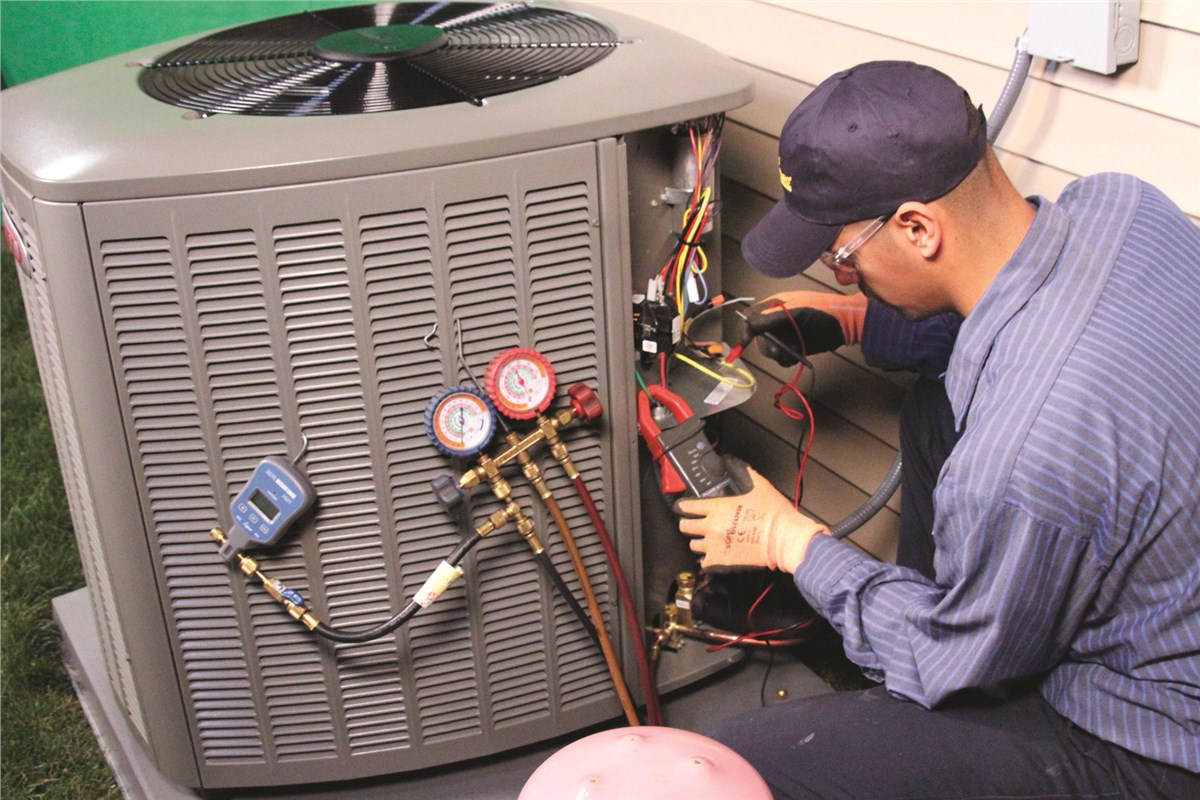
Ever stood in front of a vast air conditioner system wondering which tool will unlock the mystery? The right instruments can make all the distinction in between a fast fix and an endless afternoon of disappointment. For example, a digital manifold gauge set isn't just an elegant gadget; it's the detective's magnifying glass on the planet of refrigerant pressure. Its precision assists pinpoint leaks or imbalances that a casual look may miss out on.
When dealing with persistent or rusted parts, a quality tubing cutter is worth its weight in gold. It slices through copper pipes cleanly, preventing damage that could result in costly leakages. Have you ever tried to flex copper tubing by hand only to end up with kinks? Preventing this needs specialized bending tools developed to maintain the pipe's stability.
Tools That Specialists Swear By
- Vacuum pump: Necessary for getting rid of moisture and air from the system before recharging refrigerant, making sure optimum performance.
- Leak detector: A must-have for catching unnoticeable refrigerant leakages that can cause system inefficiency.
- Multimeter: Beyond determining voltage, it's important for identifying electrical faults within the a/c's control system.
- Fin comb: A small yet mighty tool that straightens bent condenser fins, improving airflow and efficiency.
Pro Tips for Using Cooling Repair Work Tools
- Always confirm your gauge readings versus maker specs; even experienced techs confirm to prevent costly misdiagnoses.
- When utilizing a vacuum pump, guarantee all valves and hoses are airtight; a minor leak can mess up the evacuation process.
- Tidy your fin comb routinely. Dust and grime can trigger it to snag, harmful delicate fins even more.
In the heat of summertime, a malfunctioning compressor or blocked filter can seem like a ticking time bomb. Equipped with the right tools and know-how, the repair work becomes less of an ordeal and more of a satisfying puzzle resolved. Isn't it curious how a well-calibrated gauge or a simple leakage detector can transform the entire outcome?
Step-by-Step Repair Work Process
Ever observed how your a/c unit starts to sputter, hardly whispering the cool breeze it as soon as provided? The very first move is a thorough medical diagnosis-- since guessing only wastes time and resources. You may start by inspecting the thermostat settings, but sometimes the genuine perpetrator lurks much deeper.
1. Preliminary Inspection and Diagnostic
Begin by powering off the system to prevent shocks. Open the gain access to panels and aesthetically inspect for scorched wires, clogged up filters, or ice buildup. A common oversight is ignoring the condenser coils; dust and dirt here can choke performance. Use a multimeter to evaluate electrical components and confirm if the compressor is receiving power.
2. Recognizing Refrigerant Issues
Does the unit blow warm air? That's frequently an indication of low refrigerant levels or leaks. Specialists use a manifold gauge set to determine pressure properly. Remember, overcharging or undercharging the system can trigger irreparable damage-- exact measurement is essential.
3. Cleaning Up and Component Replacement
Often, a basic coil cleansing restores the system. Other times, it requires swapping out capacitors, contactors, or fan motors. Replacing these parts involves cautious disassembly and reassembly; skipping steps can cause additional breakdowns.
4. System Screening and Calibration
Once repair work are made, switch the system back on and observe its habits. Step the temperature drop throughout the evaporator coil-- it should be approximately 15-20 ° F. If not, recalibrate the thermostat or look for air flow blockages.
Expert Tips
- Prevent running the compressor without refrigerant-- this stress out the motor quickly.
- Utilize a UV dye to find elusive leaks; they're frequently concealed in hard-to-reach areas.
- Never ever overlook the drain line-- clogs here can cause water damage and system failure.
- Wear insulated gloves when dealing with capacitors; they maintain charge and can deliver a nasty shock.
Guarding Against Unexpected Breakdowns
Have you ever questioned why your a/c sputters to a stop right at the peak of summer? The fact is, disregarding routine upkeep often invites unforeseen failures. Dust, debris, and damaged elements wage a quiet war inside your system. Preventive maintenance is the ace in the hole-- catching small concerns before they spiral out of control.
Expert Tips for Keeping Your Air Conditioner in Leading Shape
Air Conditioning Replacement Jacksonville FLAir Conditioning Replacement Jacksonville FL
Air Conditioning Contractors Jacksonville FL
Air Conditioning Companies Jacksonville FL
Air Conditioning Service Jacksonville FL
- Tidy or change filters month-to-month: A stopped up filter chokes airflow, requiring the system to work overtime and speeding up wear.
- Check coil fins: Bent fins limit airway, much like a traffic congestion in your cooling system. Use a fin comb to align them carefully.
- Examine refrigerant levels: Low refrigerant can trigger the compressor to get too hot, a precursor to pricey repair work.
- Clear the condensate drain: Clogs here can lead to water damage and mold growth, a concealed offender behind lingering smells.
- Examine electrical connections: Loose wiring or rusty terminals often spark periodic failures, a subtle caution indication.
When Was the Last Time You Listened to Your air conditioner?
That faint rattling or uncommon hum might seem insignificant, but it's a precursor to bigger mechanical woes. One summer season, a customer mentioned a soft buzzing sound. A fast inspection revealed a loose fan blade-- simple to fix, yet left unattended, it could have shattered the motor. Moments like these highlight the worth of routine checks.
Quick Checklist for Seasonal Prep
| Action | Frequency | Why It Matters |
|---|---|---|
| Filter cleaning/replacement | Every thirty days | Maintains airflow and efficiency |
| Coil and fin evaluation | Two times a year | Avoids air flow restrictions |
| Refrigerant level check | Yearly | Ensures correct cooling capability |
| Drain line cleaning | Every 6 months | Avoids water damage and mold |
| Electrical system examination | Annually | Prevents sudden shutdowns |
Pro Suggestion: Beyond the Basics
Did you understand that gently lubricating the fan motor bearings annually can extend their life expectancy? It's a detail typically neglected however crucial. Shading your outside unit from direct sunshine can decrease the compressor's workload, discreetly improving longevity. Keep in mind, the health of your a/c unit is a reflection of the attention you provide it before it shouts for assistance.